
7 evidence-based principles based on the law and what research tells us works best to support young people.
Planning and decision making should be carried out in a person-centred way

The Principle
Why this Principle matters
Person-centred practice may be called different things in different professions, however they all agree you should listen to what matters most to the young person and help them to make their own choices about their life.
Working in this way is shown to improve outcomes for young people in transition and their families. It is included in a wide range of legislation, policy and guidance.
What this Principle can look like
- Young people being supported to plan for their future and have a say in what happens in their lives. Feeling listened to and respected when talking about their goals and dreams.
- Parents and carers being included as partners in the transition planning process, with their understanding and knowledge of their young person and the challenges they face being taken seriously.
- Professionals follow professional standards, feel closer to the people they support and enjoy their work more.
Effective person-centred approaches to planning means:
The wishes of children and young people should be at the centre of any decisions made about their support. This follows the belief that young people and those who care for them are best placed to know what they need, providing they have access to the right information and support. Young people with additional support or communication needs may need help to have their voice heard, so ways should be found to enable their inclusion in the plans and decisions that affect them.
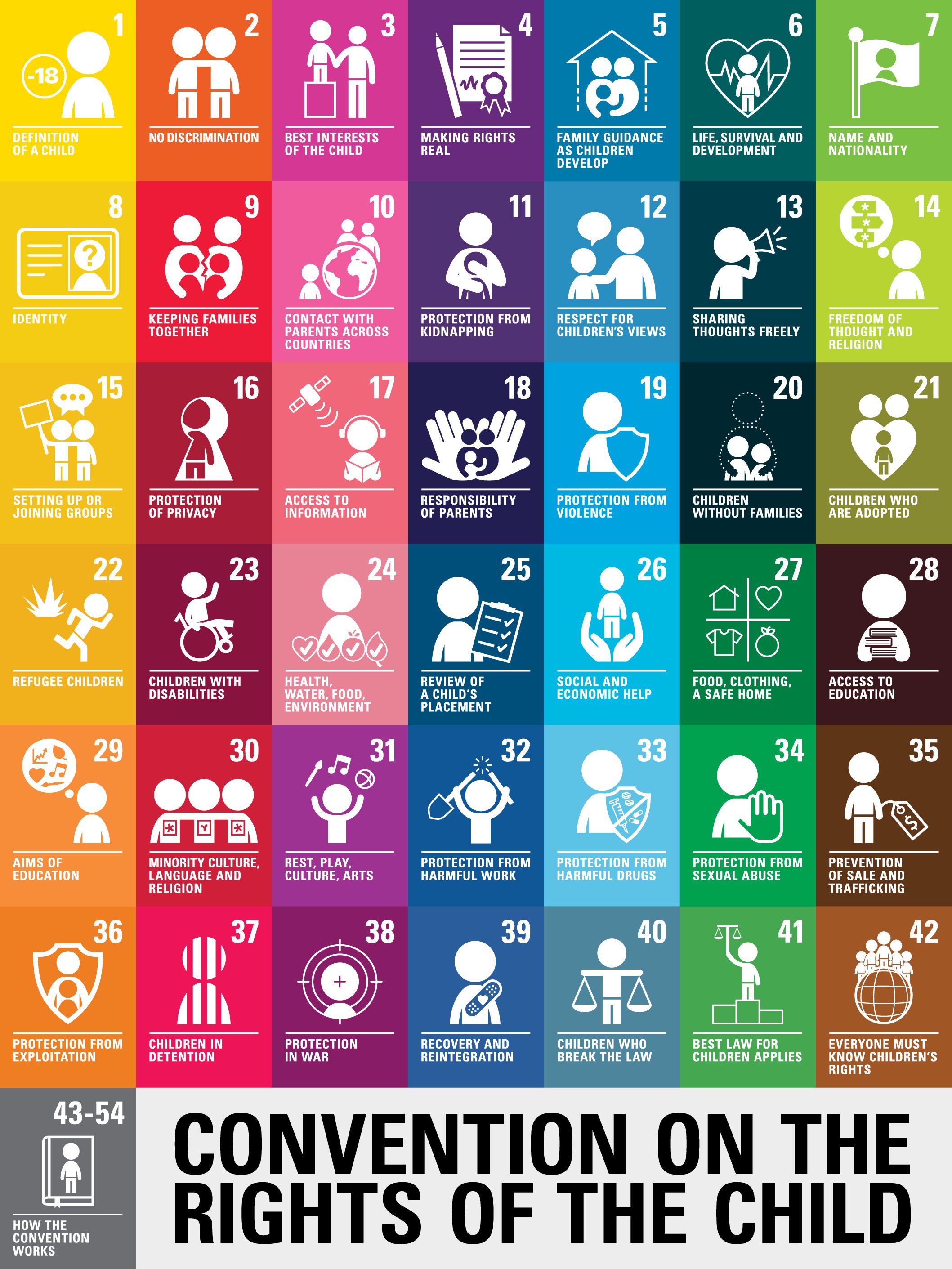
This approach is embedded in a wide range of legislation, policy and guidance, including the United Nations Convention on the Rights of the Child:
I have the right to be listened to and taken seriously (Article 12)
Person-centred planning, in its truest sense, has been used effectively for many years, particularly in the voluntary sector. It explores a young person’s aspirations and is not limited by eligibility or entitlement. Offering young people the choice of a trained planner or a person-centred plan is in line with a rights-based approach to transition planning.
All assessments and plans for young people in transition must follow person-centred principles. However different professional groups may have different interpretations of what the term ‘person-centred’ means. In social work it’s called person-centred practice, in healthcare it’s called person-centred care and in education, it can mean individualised pathways or child-centred education.
Whatever term is used, professionals should develop a shared understanding about what ‘person-centred’ approaches mean in relation to transitions planning and should receive training to apply this to practice.
Where there is no shared planning process in place, professionals will make separate plans for different but overlapping aspects of the young person's life. This means that young people, parents and carers tell their stories multiple times to different professionals. This is frustrating for those involved, involves duplication of work and is inconsistent with person-centred approaches. Policy suggests that a single plan is the best way of coordinating services and responding to the holistic needs of the young person.
It is good practice to make the Child’s Plan available in accessible formats, e.g. ‘easy read’ or 'care passport' formats, and include information that explains how the young person is best supported. It can accompany them when they move between services and professionals can refer to it to provide smooth assessments and prevent duplication.
Building this Principle into your strategies
Principles into Practice is designed to help those with strategic responsibility for transitions to improve the experiences of transition for young people with additional support needs, and is widely adopted by local authorities in Scotland.
It provides practical guidance to help ensure planning and decision-making is carried out in a person-centred way in your local authority area. Data collected through Compass will help to evaluate progress and identify where further improvements are needed.
With a data sharing agreement in place, ARC Scotland can provide data reports from people using Compass in your area. These include to what extent:
- Young people are being effectively supported to plans for their future.
- Parents' and carers' understanding of their young person and their challenges are taken seriously.
- Professionals are enabled to work in person-centred ways.
Contact us to discuss the support available to help you build this Principle into your strategies.